Why clients ask for this
- Discovery, UX and technical planning together
- Clearer requirements before supplier selection or build
- Useful for portals, web apps and operational platforms
Once we have created a Needs Analysis Document, we set about defining the project in detail. Typically the UX team will have produced a Low-Fidelity Wireframe defining the User interface in line with the Business and User Needs. This wireframe and the Technical Needs document form the basis for the development team to define the product.
The SRS, in conjunction with the wireframes, defines a set for deliverable modules and functions within them. The Modules define the sections within the application, while the functions define the functionality of each component with that module. These documents are a substantial undertaking and, depending on the scale of the project, can take anywhere from a number of days to a few weeks for a larger project. Armour typically delivers the Wireframes and the SRS so that you, the client, can easily understand what is being planned and agreed to.
Creating the wireframe firstly allows the UX team to understand how we can potentially fulfil User and Business Needs after the requirement gathering phase. It also enables user acceptance testing to be carried out, which allows for quick iterations and refining the product before SRS documentation. Once the Wireframe screens have been agreed upon, the Development team creates the Software Requirements Specification.
As part of the SRS process, the Development team creates a System Architecture diagram that outlines the infrastructure to house, run, secure, and backup the technology stack to be created. While planning this technology stack, we include provisioning for scalability, future developments and possible compliance requirements.
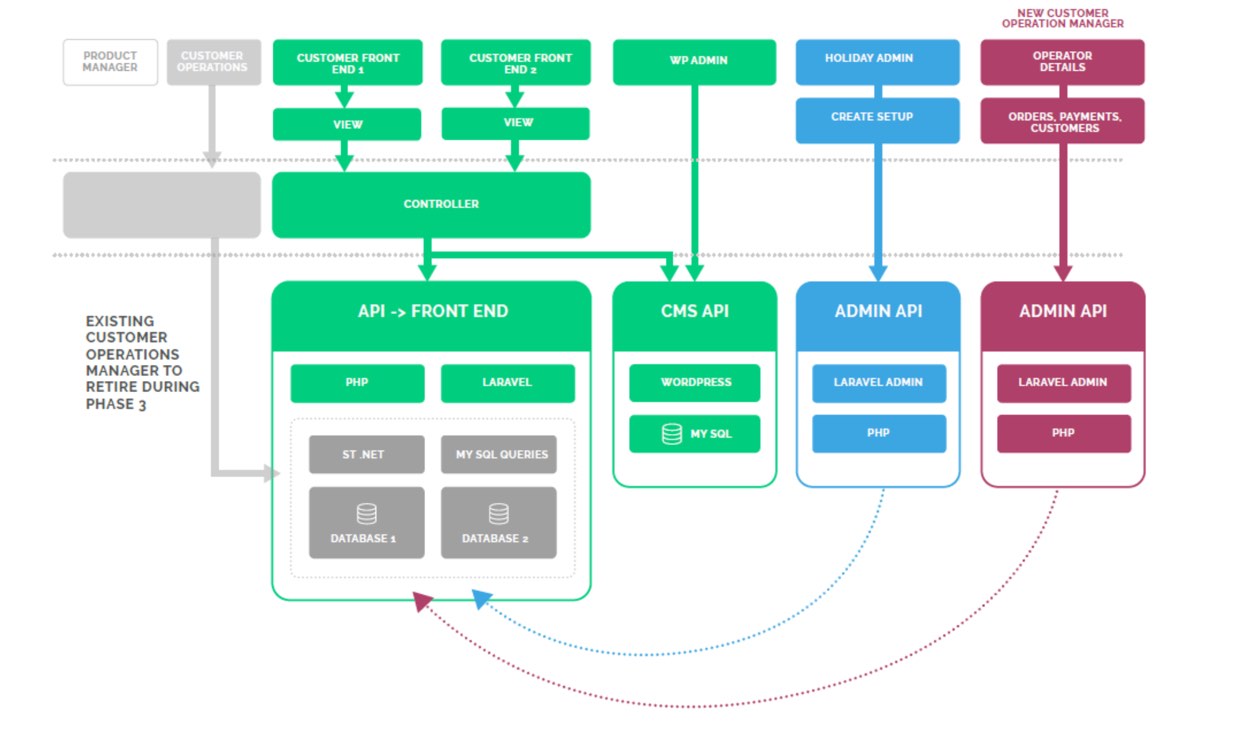

Define software requirements, product specifications, user journeys and technical scope before building custom platforms, portals or integrations.
A useful specification captures goals, users, workflows, functional requirements, integrations, content or data needs, constraints, risks and acceptance criteria.
Yes. Requirements work can compare WordPress, bespoke web applications, integrations and phased delivery before a build approach is agreed.
Yes. User journeys, wireframes and prototypes can sit alongside technical requirements so the product is scoped around real tasks, not only feature lists.
Share the outline and Jamie will route it to the right Granite specialist. The same form tracking captures the page and campaign source.