Why clients ask for this
- UX-led app design and prototyping
- Experience across customer, staff and operational apps
- Design and engineering teams working together
Creating a Mobile App is a great way of allowing your users to engage with your business or service! Armour is registered iOS and Android developers and has created many Apps for both market places.
Our Apps have been downloaded hundreds of thousands of times, and play an essential role in our client’s businesses. They have also proved to be great marketing tools, providing a platform for businesses to connect with their customers in a way no other medium can.
The first task in starting out on a Mobile app project is to research the feasibility of such an application. Is there a need for the application, is it going to make a return and what is the competition like in this area?
Once a clear business analysis has been conducted, Armour conducts a user analysis. The goal of this study is to determine the correct demographic for the App. The UX (User Experience) team create User Journeys and Scenarios. Once the UX has been signed off, the UI (User Interface) is created.
Depending on the scale of the project, we will produce an interactive demo for deployment to mobile devices for User Testing and Investor pitching. Once the proposed Mobile App receives market feedback, the production can begin.


Building on the market and feasibility analysis, the UX (User Experience) team create User Journeys and Scenarios for the app. Usability is crucial – apps need to perform to the highest level and engage the user. We focus heavily on the user interface to produce enjoyable and intuitive user experiences.
Apple’s iOS and Google’s Android are the two most popular mobile phone operating systems. Every mobile App we build is made available on these platforms. Given the wide variety of devices that both platforms run on, it is essential that the Apps we develop incorporate responsive design.
This means that your App can detect the screen size of the device it is running on and adjust its interface accordingly. We utilise cross-platform development software to accelerate the build process, meaning your app can reach a wider audience without impacting on delivery times.
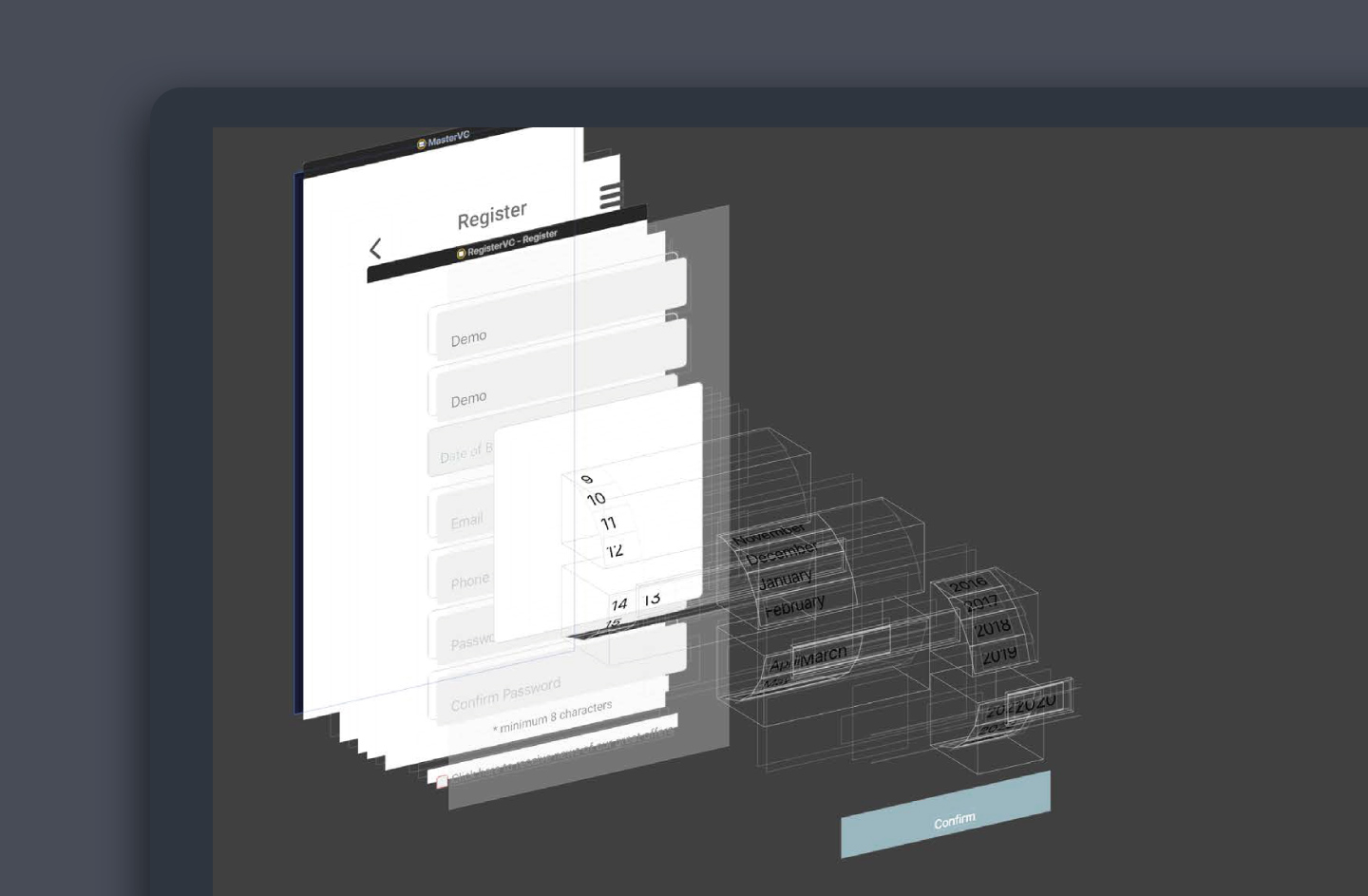
Plan app experiences around real user journeys before build, so iOS, Android and cross-platform products are easier to adopt and support.
Yes. Armour by Granite can define user flows, wireframes, prototypes and interface systems before engineering begins, which helps reduce uncertainty and rework.
Yes. The design work can flow into iOS, Android, cross-platform or web app development with the same product and technical thinking behind it.
Yes. The team can review analytics, user journeys, onboarding, navigation and interface friction, then prioritise UX improvements for the next release.
Share the outline and Jamie will route it to the right Granite specialist. The same form tracking captures the page and campaign source.